





Product Category
Non-Insulated Terminals
Reliable bare terminals for professional applications.
Reliable bare terminals for professional applications.
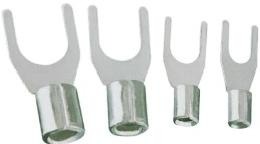
SNB Series fork non-insulated terminals are tin-plated copper with a brazed seam barrel. The open fork allows the terminal to be fitted or replaced without removing the screw, which is why it is widely used on control panels and terminal blocks.
View Series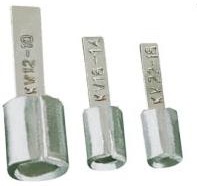
DBN Series blade non-insulated terminals are stamped from copper strip and tin-plated. The bare flat tab is used where a separate insulating boot will be fitted, or in applications that require the smallest possible connector profile. Accepts 22–10 AWG copper wire.
View Series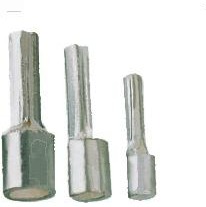
PTN Series pin non-insulated terminals are bare copper pins used without a sleeve where the connector housing provides the insulation. The solid pin is compatible with all standard relay socket and PCB connector pitches. Accepts 22–10 AWG copper wire.
View Series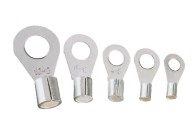
OT Series ring crimp terminals are pressed from red copper tube and tin-plated. The seamless barrel provides a full 360° crimp contact, and the ring tongue accepts stud sizes M3 through M12 to cover the full range of panel wiring, grounding and battery connections.
View Series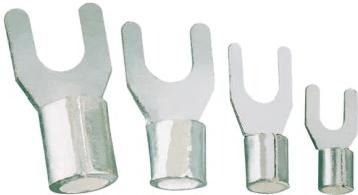
UT Series fork crimp terminals are made from the same tin-plated copper tube as the OT ring series. The open fork allows the terminal to be installed or removed without fully loosening the fastener, which saves time during panel assembly and field maintenance.
View Series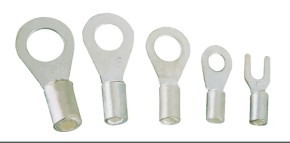
JB/JC/JZ Series marine bare ring terminals are pressed from yellow copper (brass) and heavily tin-plated for salt-spray resistance. The wide palm and large stud hole suit bilge pump cables, navigation lighting and shore-power connections on boats and ships.
View Series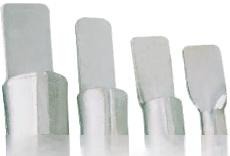
C45 Series insert terminals are designed for DIN 46282 C45 rail-mount terminal blocks. The copper insert holds the wire with a clamping screw while the C45 flange snaps into the rail slot. Available as single-wire and multi-wire pin inserts with PVC insulation.
View Series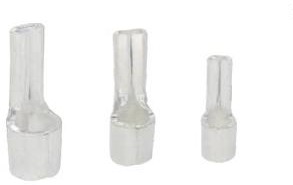
IT Series flat double-layer terminals accept two conductors in a stacked arrangement within a single crimp barrel. This reduces the number of connection points when two circuits share the same terminal, and the flat profile suits connectors with limited vertical space.
View Series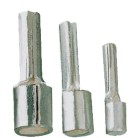
IT Series pin crimp terminals are machined from red copper rod and tin-plated. The solid round pin provides a low-resistance contact path to relay sockets, busbar connectors and industrial plug-in bases. Suitable for large-cross-section cable up to 50 mm².
View Series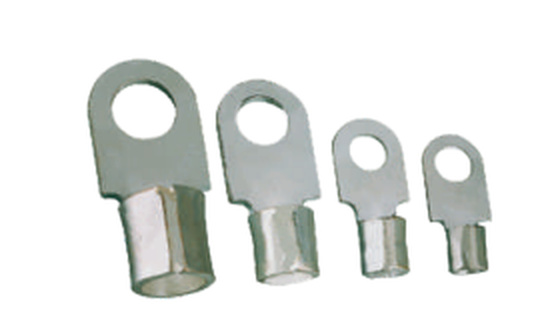
OTZ Series ring crimp terminals use a brazed-seam barrel that is sealed after crimping, preventing solder wicking and electrolyte ingress. Made from red copper with a tin-plated finish, they are available from 10 mm² to 50 mm² with stud holes from M6 to M12, suited to battery, grounding and heavy-current panel connections.
View Series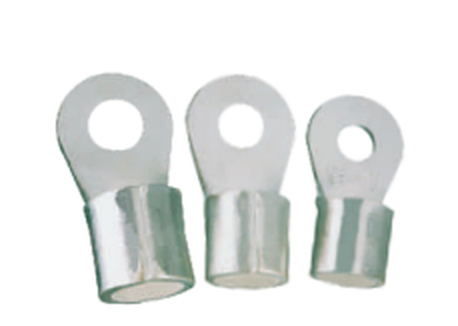
OTS Series ring crimp terminals use a brazed-seam tubular barrel drawn from red copper and finished with electro tin plating. Six barrel sizes cover 16 mm² to 95 mm² conductors, each with stud holes from Φ6.2 mm to Φ12.5 mm, giving a heavy-current range for distribution boards, switchgear and earthing connections in industrial and building wiring.
View SeriesInsulated terminals specified across automotive, appliance, machinery and power equipment manufacturing.
Panel builders use ring and fork terminals for PLC I/O wiring, contactors and terminal blocks where a secure screw connection is required.

Harness makers specify colour-coded insulated terminals for lighting, sensor and power circuits, where vibration resistance matters.

Washing machines, air conditioners and ovens rely on fully insulated terminals for internal wiring that must stay safe and compact.

Machine builders fit ring, fork and disconnect terminals to motors, sensors and control cabinets operating in demanding environments.
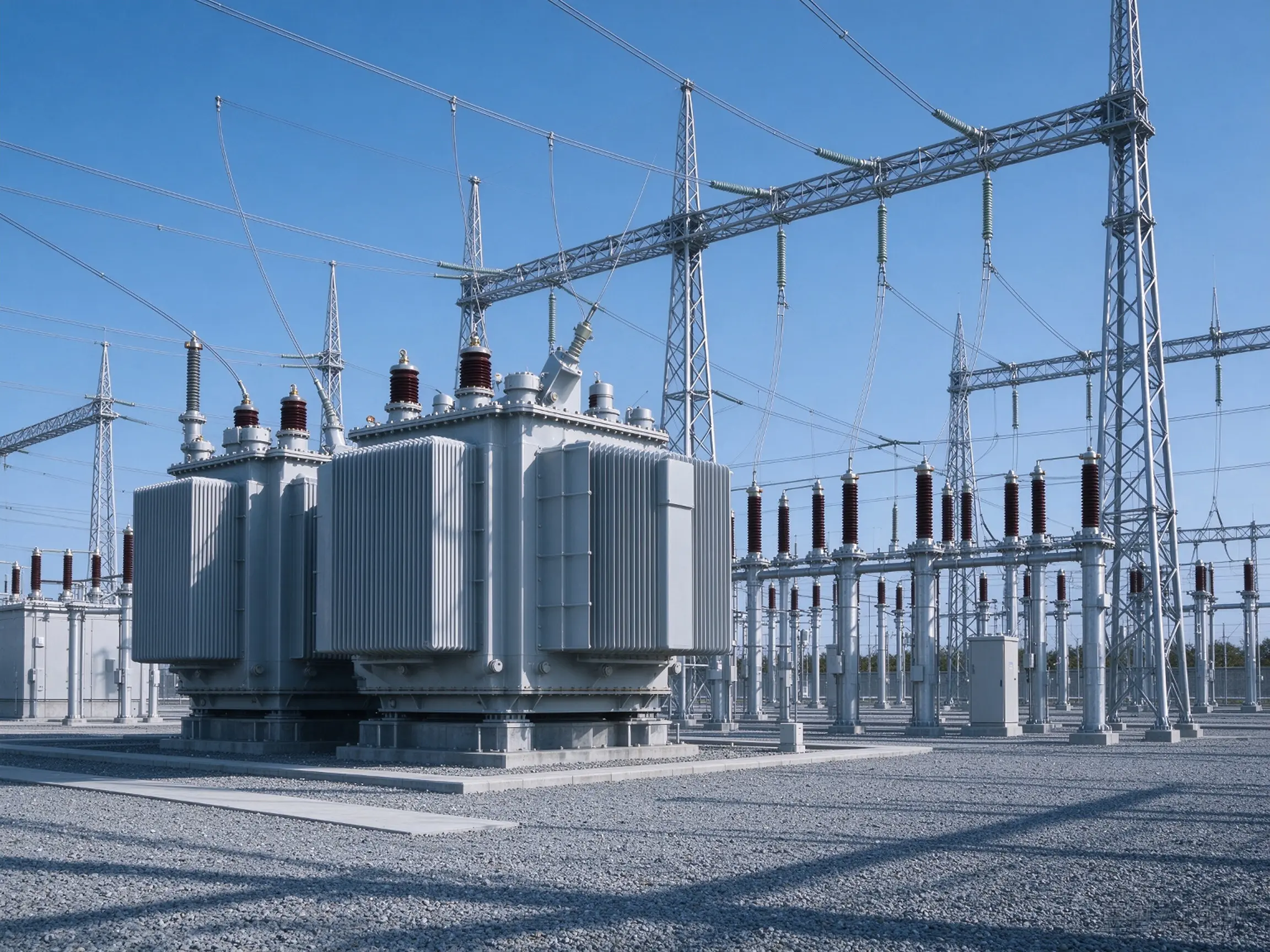
Switchgear and distribution boards use tin-plated copper terminals for stable current transfer and resistance to corrosion.
Non-insulated terminals terminate stranded copper wire on screws, studs and threaded posts where the joint will be insulated separately with tape, sleeving or a V Series sheath. They are the standard choice for control panels, switchgear, automotive harnesses and appliance wiring where a bare, inspectable metal connection is preferred.
The range covers SNB fork, DBN blade, PTN pin, OT / OTZ / OTS ring, UT fork, IT pin and IT double-layer flat terminals, plus JB / JC / JZ marine bare terminals and C45 insert terminals. Ring, fork, blade and pin styles are available across a wide wire and stud range.
Match three values: wire cross-section, stud or tab size, and the connection style you need. Choose ring for a permanent vibration-resistant joint, fork for fast service, and blade or pin for plug-in sockets. Add a V Series terminal sheath afterwards to insulate the crimp.
A ring terminal fully encircles the stud and cannot come off without removing the screw, making it the secure choice where vibration is present. A fork terminal slides under a loosened screw and can be fitted or removed without taking the fastener off, which speeds up assembly and maintenance.
JB, JC and JZ are heavy-duty bare lugs designed for marine and high-current applications. They accept larger cable sections and are typically used in battery, grounding and power distribution connections on boats, vehicles and industrial equipment.
C45 insert terminals are used with C45-type modular terminal blocks and distribution boards. They provide a compact bare crimp connection that slots into the block, commonly found in building wiring and control cabinet distribution.
OT, OTZ and OTS ring terminals cover 22–10 AWG (0.5–6 mm²) with stud holes from M3 to M8. OTZ is a narrow-barrel variant for confined spaces, and OTS is a heavier version for larger cable sections. Check the specific series table before ordering.
Tin plating resists oxidation and corrosion better than bare copper, especially in humid or coastal environments. PHOENIX barrels are made from T2 copper with a tin-plated finish, giving good conductivity and long-term reliability.
Use a ratcheting crimp tool with dies matched to the wire size and terminal barrel. Color-coded cavities help you pick the right die, and the ratchet ensures a complete crimp cycle. Avoid pliers or non-ratcheting tools, which produce inconsistent crimps.
Yes, when paired with proper insulation. The terminals themselves are bare, so after crimping you should cover the joint with a heat shrink sheath, V Series terminal sheath or insulating tape to protect against moisture and corrosion in outdoor or marine environments.
Yes, all PHOENIX non-insulated terminals are manufactured in compliance with RoHS directives, using tin-plated T2 copper and lead-free materials, suitable for export to EU and other international markets.
Tell us your wire size and requirements, and we will help you find the right solution.
Request a Quote