





Product Category
Wire Ferrules
Ferrules and tubular ends for secure wire connections.
Ferrules and tubular ends for secure wire connections.
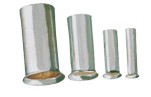
GT Series non-insulated wire ferrules are rolled from tin-plated copper tube. The ferrule consolidates stranded wire into a solid round section, so the conductor seats cleanly in a terminal block or spring cage without stray strands.
View Series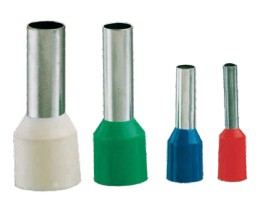
E Series insulated wire ferrules are rolled from electrolytic copper tube and fitted with a nylon collar. The ferrule consolidates fine strands into a solid bundle so the wire can be inserted into spring-cage or screw-cage terminal blocks without individual strands breaking loose and shorting adjacent terminals. Available for 0.14–16 mm² conductors.
View Series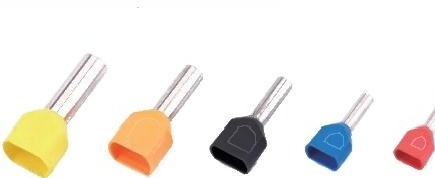
TE Series twin wire ferrules accept two conductors in one insulated sleeve, which is the usual way to loop power through a terminal block. The tin-plated copper tube is fitted with a colour-coded nylon sleeve that guides the wires in evenly.
View SeriesInsulated terminals specified across automotive, appliance, machinery and power equipment manufacturing.
Panel builders use ring and fork terminals for PLC I/O wiring, contactors and terminal blocks where a secure screw connection is required.

Harness makers specify colour-coded insulated terminals for lighting, sensor and power circuits, where vibration resistance matters.

Washing machines, air conditioners and ovens rely on fully insulated terminals for internal wiring that must stay safe and compact.

Machine builders fit ring, fork and disconnect terminals to motors, sensors and control cabinets operating in demanding environments.
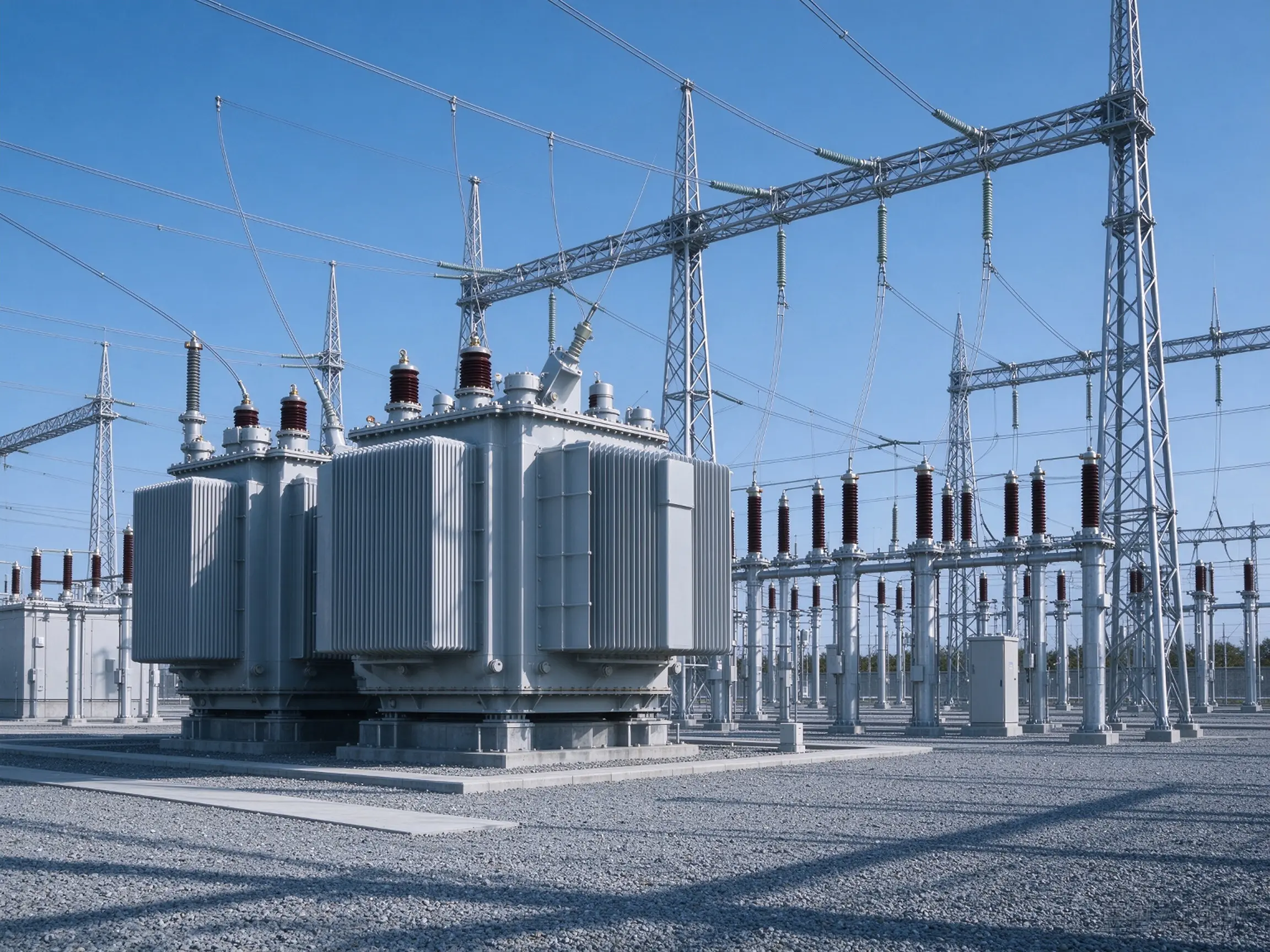
Switchgear and distribution boards use tin-plated copper terminals for stable current transfer and resistance to corrosion.
A wire ferrule is a small metal tube crimped onto the end of a stranded wire. It keeps the strands together, prevents fraying and insertion damage, and improves contact reliability in screw-clamp terminal blocks, PLCs and circuit breakers.
PHOENIX offers GT Series tubular bare ferrules, E Series insulated tubular ferrules and TE Series twin-wire insulated ferrules. Bare types suit applications where the insulation is provided by the terminal, while insulated types add a color-coded PVC collar.
GT bare ferrules are solid tin-plated copper tubes with no plastic collar, used where space is tight or where the connector itself provides insulation. E insulated ferrules add a PVC sleeve that color-codes the wire size and provides basic strain relief.
TE Series twin-wire ferrules let you terminate two stranded wires into a single ferrule and a single terminal point. They are useful when you need to bridge or combine two conductors in compact terminal blocks without splicing.
Match the ferrule bore to the wire cross-section and the collar length to the terminal depth. Common sizes range from 0.5 mm² to 6 mm². The insulated collar should sit flush with the terminal entry so the copper barrel, not the plastic, is clamped.
The PVC collar follows the same industry color code as insulated terminals: red for 0.5–1.5 mm², blue for 1.5–2.5 mm², black for 2.5–4 mm² and yellow for 4–6 mm². This helps prevent mismatched wire and ferrule sizes during installation.
Use a dedicated ferrule crimping tool with a square or trapezoidal die that matches the ferrule size. A proper crimp compresses the barrel evenly around the strands without cutting them. Avoid ordinary pliers, which leave round or uneven crimps.
Yes. Ferrules are designed specifically for fine-stranded copper wire. Solid wire does not need a ferrule and should not be inserted into one, as it cannot be compressed in the same way and may make a poor contact.
PHOENIX ferrules use high-conductivity T2 copper with a tin-plated finish. Insulated types add a lead-free PVC collar. All materials comply with RoHS requirements.
Absolutely. Ferrules are standard practice for screw-clamp and spring-cage terminal blocks, PLC I/O, relays and circuit breakers. They prevent strand breakup during insertion and give a stable, gas-tight connection over time.
Tell us your wire size and requirements, and we will help you find the right solution.
Request a Quote